
How to Use the Yoga Triangle™ for Smarter Movement, Mobility, and Support

And why this prop keeps showing up in so many different practices
If you’re new to The Yoga Triangle™ — or you’ve had one sitting in your space and aren’t quite sure how to use it yet — this video and post are for you.
👈🏽 In the video linked there 👈🏽, I walk through how and why the Yoga Triangle™ works so well across yoga, mobility, myofascial release, and recovery-based movement. What makes it different isn’t just the shape — it’s how adaptable it is for real bodies, real injuries, and real-life movement needs.
This post breaks down the key ideas so you can explore them at your own pace.

What Makes the Yoga Triangle™ Different?
The Yoga Triangle™ was designed to solve a common problem I kept seeing in classes and private sessions: traditional props don’t always support how bodies actually move.
Over time, we developed a prop that could:
Support the spine without flattening it
Offer multiple angles instead of one fixed height
Be used for both movement and recovery
Adapt to beginners, experienced practitioners, and injured bodies alike
Today, we’re on our 5th generation of the Yoga Triangle™, informed by years of teaching, workshops, and feedback from students, teachers, and healthcare professionals.

One Prop, Many Uses
In the video, we share how the Yoga Triangle™ can be used across different styles and intentions. Here are a few of the most common ways people incorporate it:
✦ Mobility & Joint Support
The angled design allows joints to move through supported ranges of motion, especially for:
Shoulders
Hips
Ankles
Spine
This makes it especially helpful for people returning to movement after time away or working around injuries.
Neck ramp position for myofascial release, ease neck discomfort, and support. Our catalog of classes include tutorials for neck and shoulder movement practices. Supported shoulder cushion for frozen shoulder, and in various yoga poses, like thread the needle. Side-lying ramp is excellent for myofascial release, creating mobility in the shoulder and thoracic. Our catalog of classes include tutorials for upper back movement practices. Yoga Triangles for 'heart openers' as well as supported backbends and mobility. Hips and psoas release are great with Yoga Triangles like this example. Our catalog of classes include tutorials for low back movement practices. Supporting the hips and low back with stability and comfort using Yoga Triangles in pigeon pose.
✦ Myofascial Release & Recovery
Unlike traditional foam rollers or massage balls, the Yoga Triangle™ offers:
Broader surface contact
Graduated pressure
The ability to rest instead of constantly bracing
This makes recovery work feel more accessible and less aggressive.

✦ Yoga & Slow Flow Support
In flow, slow flow, yin, and restorative practices, the Yoga Triangle™ can:
Replace or complement blocks and bolsters
Offer spinal support in backbends and twists
Create more sustainable long holds without strain
Why Angles Matter in Movement
One of the biggest takeaways from this video is that angles change everything.
Flat props assume bodies are symmetrical and flexible in the same way — but we know that’s not true.
The triangular shape allows you to:
Choose the level of support you need that day
Adjust positioning without stacking multiple props
Explore movement with curiosity instead of force
This is a core philosophy behind all Yoga Triangle™ trainings and workshops.

Private lessons (virtual or private) are available. 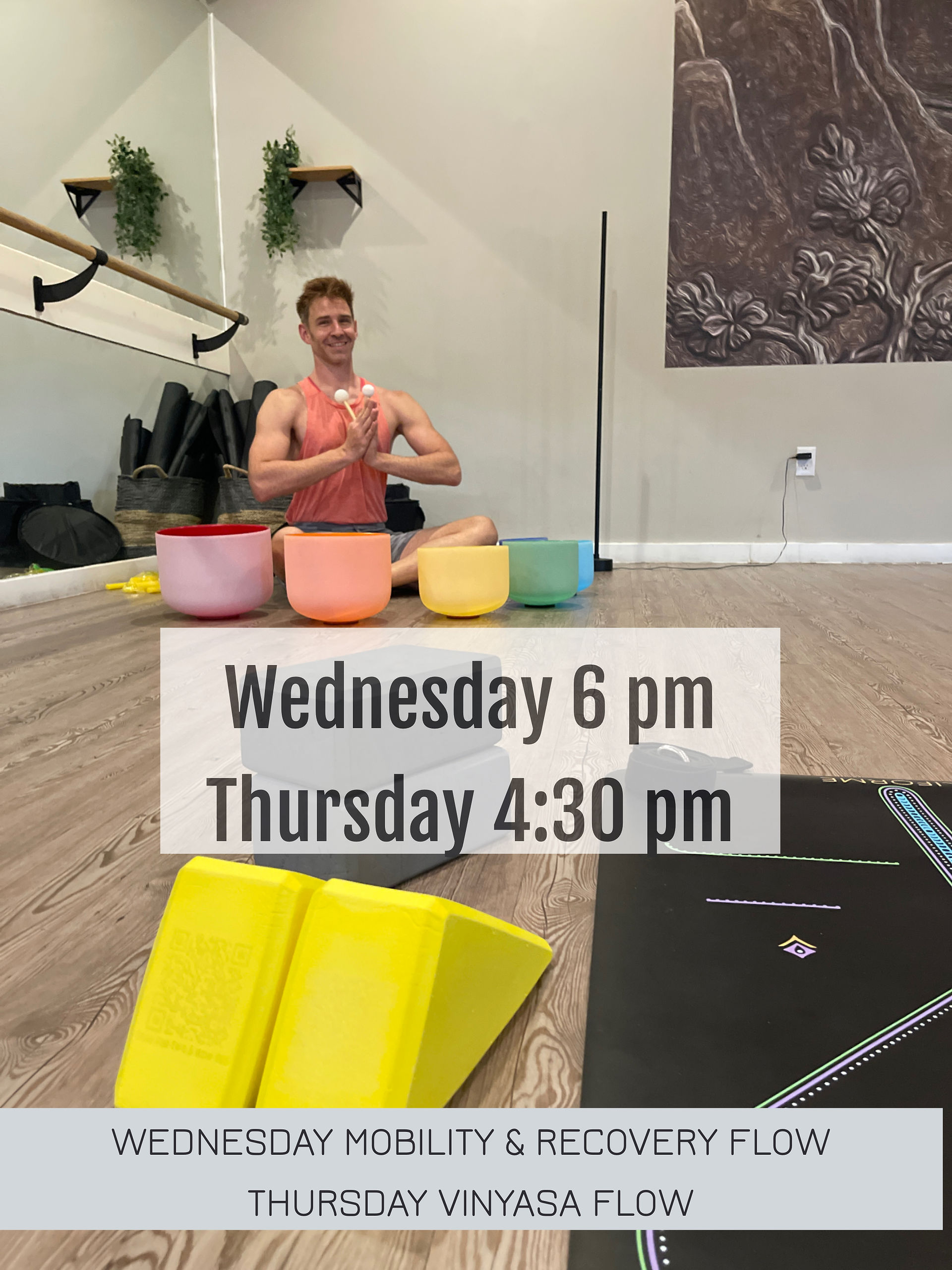
Join us for in-person classes at OAthletik. 
Ready to take a workshop or training? Peruse our guide first!
Who This Is For
You don’t need to be a yoga teacher or advanced mover to benefit from this work.
The Yoga Triangle™ is used by:
Yoga students and teachers
Mobility and recovery-focused movers
People managing chronic pain or past injuries
Wellness professionals and studios
Anyone who wants movement to feel supportive, not punishing
If you’ve ever felt like yoga or mobility work “wasn’t made for your body,” this prop was designed with you in mind.
Here are our upcoming dates for the first half of 2026!
Watch the Full Video
If you’d like to see these concepts in action — including specific setups, transitions, and real-time explanations — you can watch the full video here:
👉 Watch the full Yoga Triangle™ video
It’s designed to be approachable, practical, and easy to revisit as your practice evolves.
Want to Go Deeper?
If this video sparked ideas or questions, there are a few ways to continue exploring:
Join one of our Yoga Triangle™ workshops or trainings
Work with me privately to integrate mobility, recovery, and movement into your routine
Follow along with our livestream classes and community offerings

inf
Everything we do is built around one simple idea: movement should support your life — not exhaust it.
Let's talk - you can book a call with me or email info@theyogatriangle.com
for more info about our offerings!


Comments