
The Benefits of Yoga Triangles

Yoga is a practice that combines physical postures, breathing techniques, and mindfulness to promote overall health and balance. Among the many tools and props used in yoga, Yoga Triangles stand out as versatile aids that can deepen stretches, improve alignment, and support various poses. Whether you are a beginner or an experienced yogi, incorporating Yoga Triangles into your routine can bring numerous benefits to your practice and wellbeing.
Understanding the Benefits of Yoga Triangles
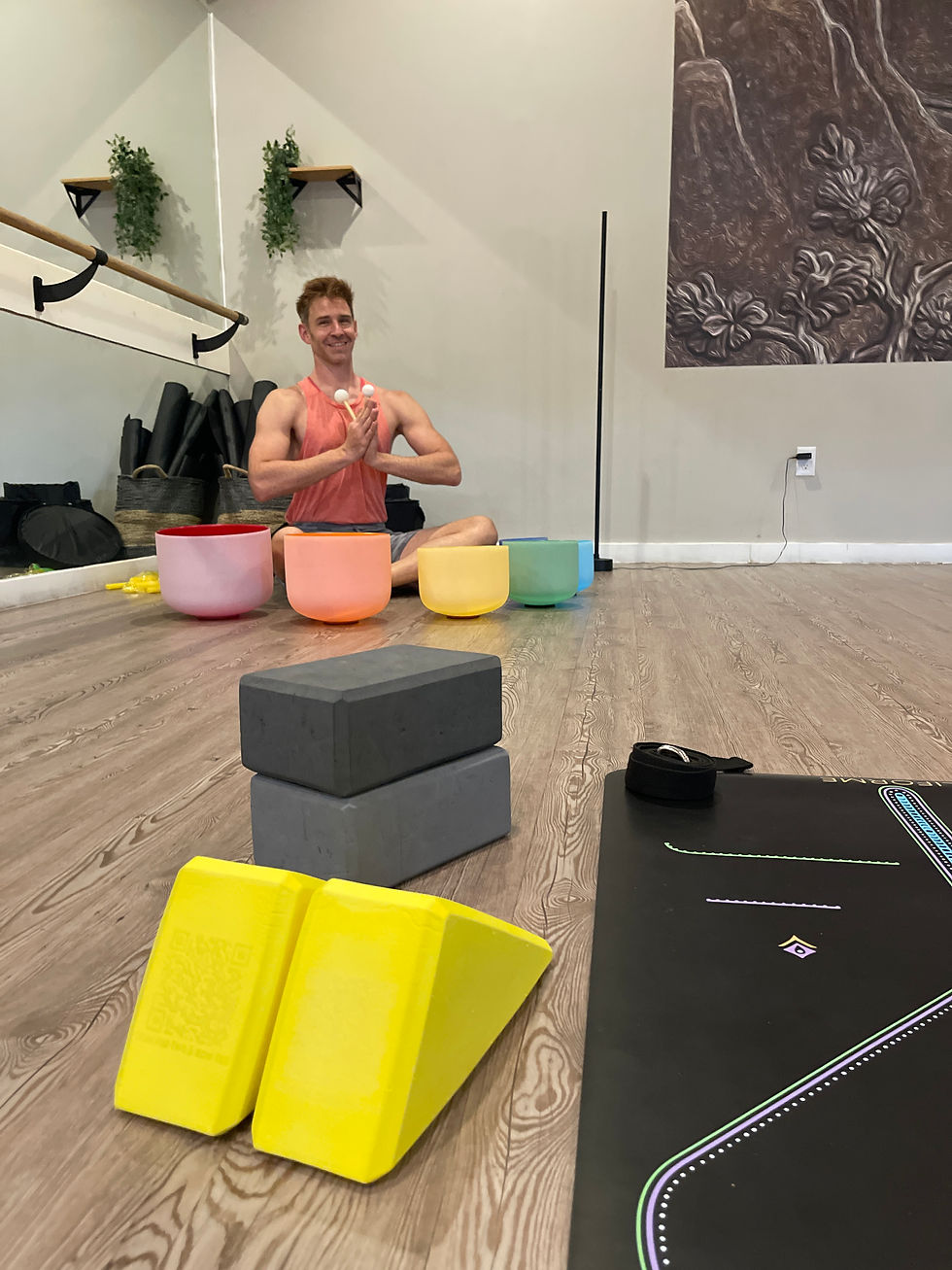
Yoga Triangles are triangular-shaped props designed to assist with stretching, balance, and posture correction. They are foam and come in one size, and a pair forms a block. Using these props can help you achieve better form and reduce the risk of injury.
Some of the key benefits include:
Improved Alignment: Yoga triangles help maintain proper body alignment during poses, which is essential for maximizing the effectiveness of each posture.
Enhanced Flexibility: By providing support, these props allow you to safely deepen stretches and gradually increase your flexibility.
Increased Stability: They offer a stable base for balancing poses, making it easier to hold positions longer and with confidence.
Reduced Strain: Yoga Triangles can alleviate pressure on joints and muscles, especially for those with limited mobility or recovering from injuries.
Versatility: Suitable for a wide range of poses, from standing stretches to seated postures and even inversions.
Using Yoga Triangles can transform your yoga sessions by making challenging poses more accessible and enjoyable.
How Yoga Triangles Improve Flexibility and Strength
Flexibility and strength are fundamental components of a balanced yoga practice. Yoga Triangles contribute to both by providing support and resistance where needed.
Flexibility
When stretching, it is important to avoid overstretching or forcing the body into uncomfortable positions. Yoga Triangles act as an extension of your limbs, allowing you to reach further without compromising safety. For example, in poses like Triangle Pose (Trikonasana), placing your hand on the Yoga Triangle instead of the floor can help you maintain a straight spine and open your chest more effectively.
Strength
Yoga Triangles also engage muscles by requiring you to stabilize your body while using the prop. Holding poses with the support of a triangle challenges your core, legs, and arms to maintain balance. Over time, this builds strength and endurance, which translates to better performance in other physical activities.
Practical Tips
Start with basic poses and gradually incorporate the triangle to assist with deeper stretches.
Use the Triangle to support your hand or foot in standing poses to improve balance.
Experiment with different angles and positions of the triangle to find what works best for your body.

Enhancing Posture and Alignment with Yoga Triangles
Proper posture is crucial not only in yoga but also in daily life. Poor alignment can lead to discomfort, pain, and long-term issues. Yoga Triangles serve as excellent tools to promote correct posture during practice.
Alignment Benefits
Spinal Support: The triangle helps keep the spine elongated and aligned, especially in forward bends and twists.
Joint Protection: By supporting limbs, it reduces unnecessary strain on knees, wrists, and shoulders.
Symmetry: It encourages equal weight distribution, preventing one side of the body from compensating for the other.
Example Poses
Triangle Pose (Trikonasana): Use the triangle to rest your hand, ensuring your torso stays open and your hips aligned.
Seated Forward Fold (Paschimottanasana): Place the triangle under your feet to help maintain a straight back.
Supported Bridge Pose (Setu Bandhasana): Position the triangle under your sacrum for gentle support.
Actionable Advice
Pay attention to how your body feels when using the triangle; it should enhance comfort, not cause pain.
Combine the use of Yoga Triangles with mirrors or instructor feedback to refine your alignment.
Incorporate breathing exercises to complement the physical alignment benefits.
Incorporating Yoga Triangles into Your Daily Routine
Adding Yoga Triangles to your daily practice can be simple and rewarding. Here are some practical ways to integrate them:
Warm-Up Stretches: Use the triangle to assist in gentle stretches that prepare your body for more intense poses.
Balance Training: Practice standing poses with the triangle to improve stability and focus.
Cool-Down Relaxation: Support restorative poses with the triangle to enhance relaxation and muscle release.
Home Practice: Keep a Yoga Triangle accessible at home for quick sessions or to supplement your regular classes.
Travel Companion: Lightweight and portable, Yoga Triangles can be taken on trips to maintain your practice anywhere.
Tips for Beginners
Start with short sessions using the triangle to get accustomed to its support.
Watch instructional videos or attend classes that incorporate props.
Listen to your body and adjust the triangle’s position as needed.
The Role of Yoga Triangles in Injury Prevention and Rehabilitation
One of the most valuable benefits of Yoga Triangles is their role in injury prevention and rehabilitation. They provide gentle support that can help individuals recover from injuries or avoid new ones.
Injury Prevention
Reduced Overextension: The triangle limits the range of motion to safe levels.
Joint Support: It cushions vulnerable joints during weight-bearing poses.
Muscle Engagement: Encourages proper muscle activation to protect against strain.
Rehabilitation
Gradual Progression: Allows for slow and controlled movement increases.
Pain Management: Supports painful areas to reduce discomfort during practice.
Confidence Building: Helps users regain trust in their bodies through safe practice.
Recommendations
Consult with a healthcare professional before starting yoga post-injury.
Use the triangle under guidance to ensure correct usage.
Combine with other therapeutic exercises for comprehensive recovery.
Exploring the Versatility of Yoga Triangles
Yoga Triangles are not limited to traditional yoga poses. Their unique shape and sturdy design make them useful for various fitness and wellness activities.
Beyond Yoga
Pilates: Use the triangle for core strengthening exercises.
Physical Therapy: Incorporate into rehabilitation routines.
Meditation: Support seated postures for longer comfort.
Stretching Routines: Enhance flexibility training outside of yoga.
Creative Uses
Stack multiple triangles for added height or support.
Use as a prop for balance challenges.
Combine with resistance bands for strength training.
Final Thoughts on Usage
Experimenting with Yoga Triangles can open new dimensions in your fitness journey. Their adaptability makes them a valuable addition to any wellness toolkit.
Incorporating Yoga Triangles into your practice offers a blend of support, challenge, and safety that can elevate your yoga experience. Whether you seek to improve flexibility, enhance posture, or recover from injury, these props provide practical benefits that are easy to integrate into daily routines. Embrace the versatility and discover how Yoga Triangles can transform your approach to health and wellbeing.


Comments